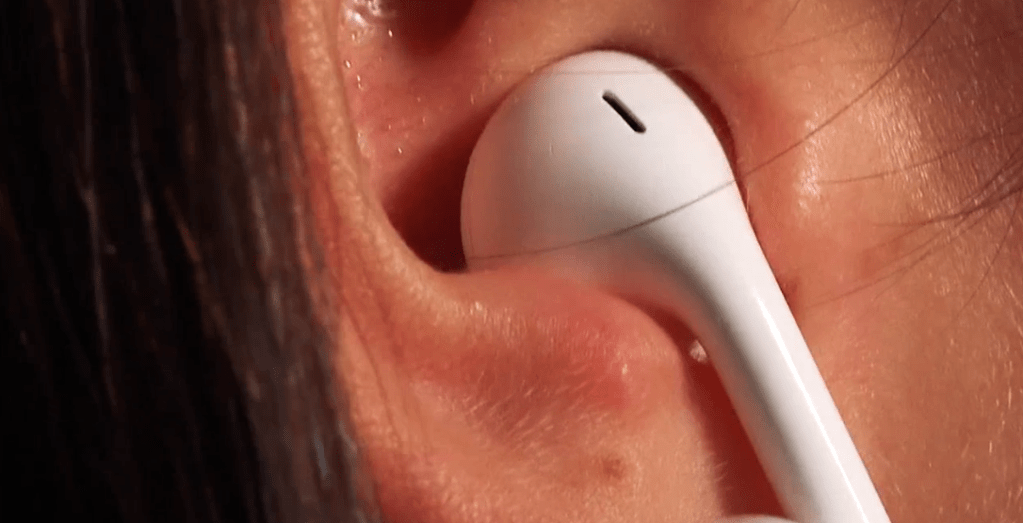
I have extensively utilized various types of headphones during my running sessions, my background as an electronics engineer has equipped me to discern the genuine value that headphones deliver. Through this extensive experience, I have conducted a detailed user analysis that delves into both the practical aspects and technical nuances of running headphones.
The high-level requirement is – As a dedicated runner, I want a pair of headphones that seamlessly integrates with my running routine, allowing me to enjoy my favorite music hassle-free during every run.
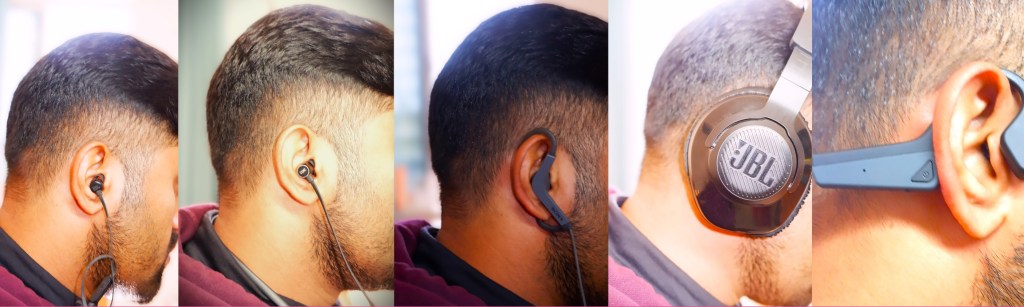
USER EXPERIENCE
Problem statements:
Wired headphones: I used wired headphones for hundreds of kilometers until Bluetooth headphones entered the market. The issues with wired headphones became apparent during my running experiences:
Tangling Wires: The presence of wires introduced challenges as they tended to tangle during runs. With each step, the feeling of the wire loosening up was persistent, creating an uncomfortable sensation. Additionally, the tangling often resulted in weird friction sounds while running.

Pre-Run Untangling Ritual: Before each running session, I found myself engaging in a ritual of untangling the headphones. This pre-run activity became a necessary but cumbersome routine, adding an extra step before being able to enjoy my music.

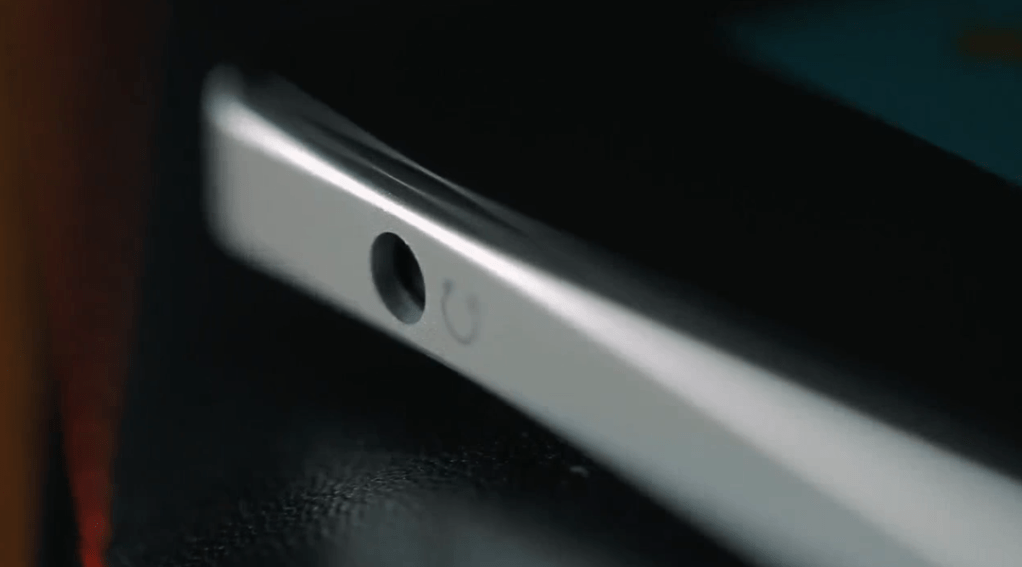
Removal of Female 3.5mm Jack from High-End Smartphones: The removal of the female 3.5mm jack from high-end smartphones posed a compatibility issue with wired headphones. This change in smartphone design forced a transition to alternative solutions.
Wire Breakage: The wires of the headphones were prone to breakage, especially after prolonged use. This fragility often led to disruptions in audio transmission, further highlighting the drawbacks of wired designs.

Lack of Water Resistance: headphones lacked water resistance, making them vulnerable to damage from sweat and adverse weather conditions. The absence of this feature limited their suitability for rigorous outdoor activities like running.

Ear Canal Ventilation: Choose earbuds that allow for some degree of ventilation to prevent a completely sealed environment in the ear canal. This can help reduce the buildup of moisture and ear infections.

Ambient sound awareness: These headphones allow you to listen to your music while still being aware of the surrounding environment, including traffic noise. Many sports and running headphones come with this feature to enhance safety during outdoor activities.

Solutions:
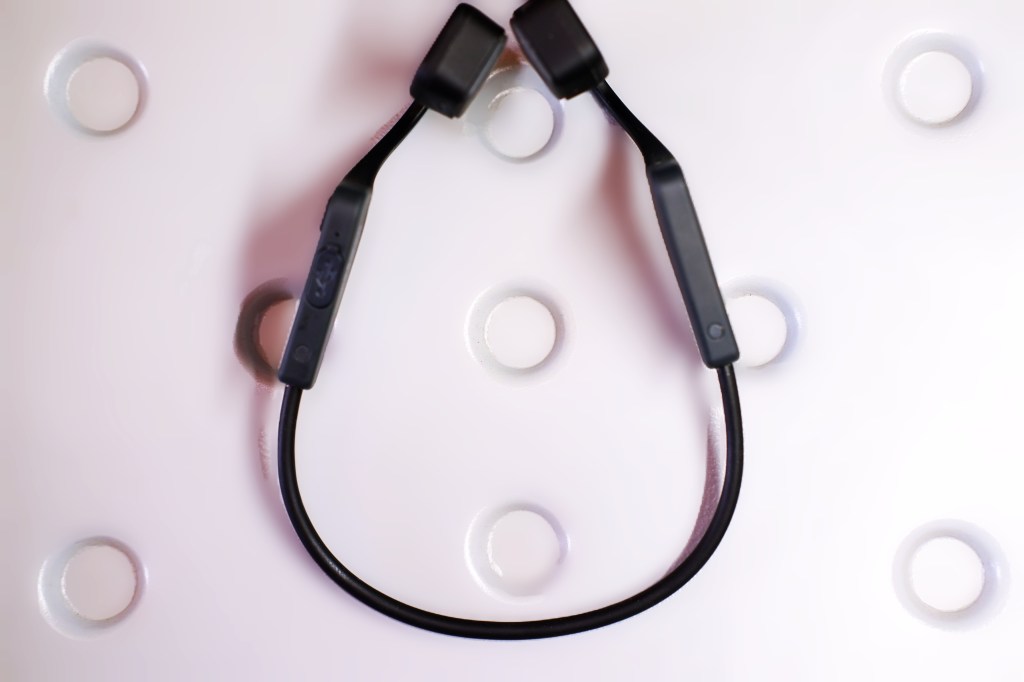
Bone conduction headphone
| Technology/ design | Brand | Price | Ear infection / develop smell |
| Bone conduction headphones | Wecool, Shoks and other Chinese brands ———– Bone conduction headphones | 3000 – 20000 inr | No Ear infection, and no bacterial smell – just an alcohol wipe post running, easy to maintain. |
Waterproof: 500 km running till date no problem faced, no charging port rusting due to sweat, No charging issue due to oxidation.
Ensuring a secure fit: No problem
Transparent hearing features: Yes
13-hour playtime: Yes
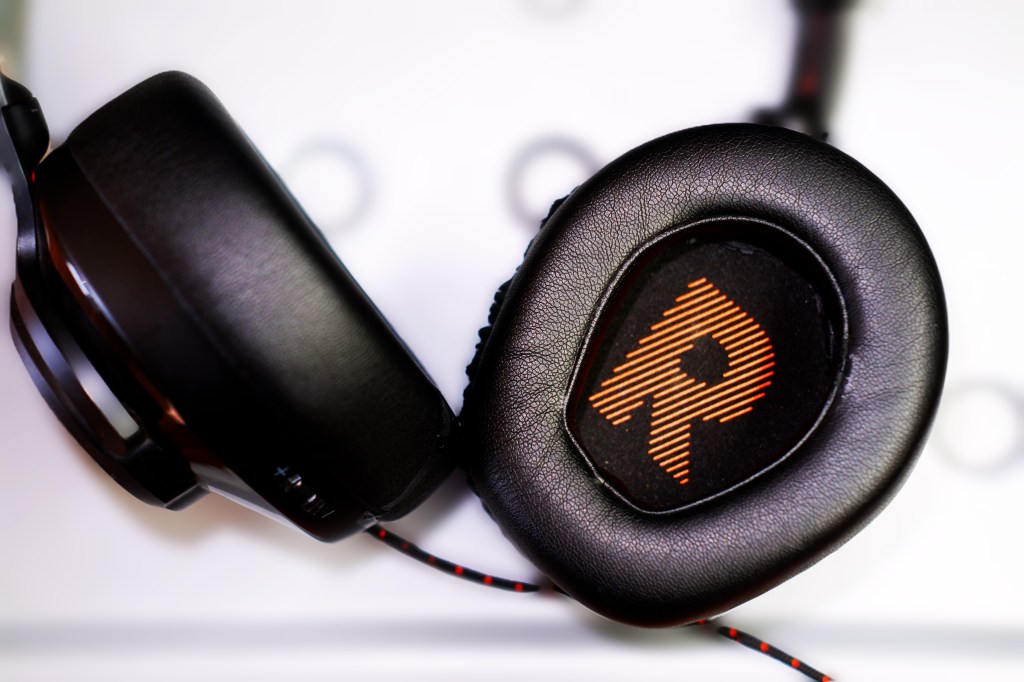
Wired/ Wireless Over-ear headphones
| Technology/ design | Brand | Price |
| Bluetooth over ear headphones | Boat over ear, Sony, JBL over ear, Boss, Sennheiser and other Chinese brands | 600 – 200000 inr |
Waterproof: No
Ensure a secure fit: Over-ear headphones may appear aesthetically pleasing in videos and photographs, but I would not recommend them for running. While they may be visually appealing, there are several practical considerations that make them less suitable for running activities.
Transparent hearing features: No, designed for noise cancellation.
13-hour playtime: Yes
Hygiene: Indeed, memory foam and other types of foams have a tendency to accumulate sweat, leading to an environment conducive to bacterial growth and the development of unpleasant odors over time. The moisture-retaining nature of foams can create an ideal breeding ground for bacteria, mold, and mildew. Additionally, in certain conditions, such as high humidity, foams can attract bedbugs.
Issues: Weight and Bulkiness, Heat Accumulation, Stability Issues, Limited Breathability, Interference with Head Movement, Incompatibility with Headgear
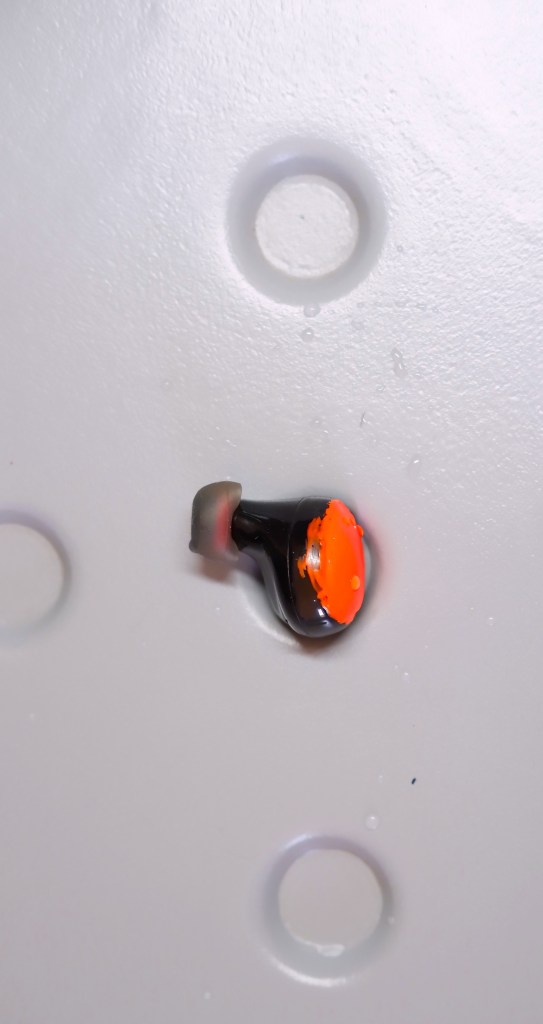
Earbuds
| Technology/ design | Brand | Price |
| Bluetooth ear buds | Boat buds, Sony, JBL, Boss, Sennheiser and other Chinese brands | 600 – 20000 inr |
Waterproof: Charging issue due to oxidation, washed in washing machine multiple time but still intact and working.
Ensuring a secure fit: No
Transparent hearing features: No ambient sound awareness
13-hour playtime: Yes
No Ear Canal Ventilation: Excessive sweat during long runs can indeed contribute to the accumulation of moisture in earbuds, creating an environment conducive to bacterial growth and potentially leading to ear infections. The warm and damp conditions inside the ear canal, combined with the presence of sweat, may increase the risk of microbial proliferation.
Better than Wired headphones and neck bands.

Neckband headphones
Neckbands appear unattractive, giving the impression of resembling a turkey bird when worn. If simply left hanging around the neck, the appearance is somewhat acceptable. However, the design doesn’t feel comfortable during running and is not aesthetically pleasing.
Bad design
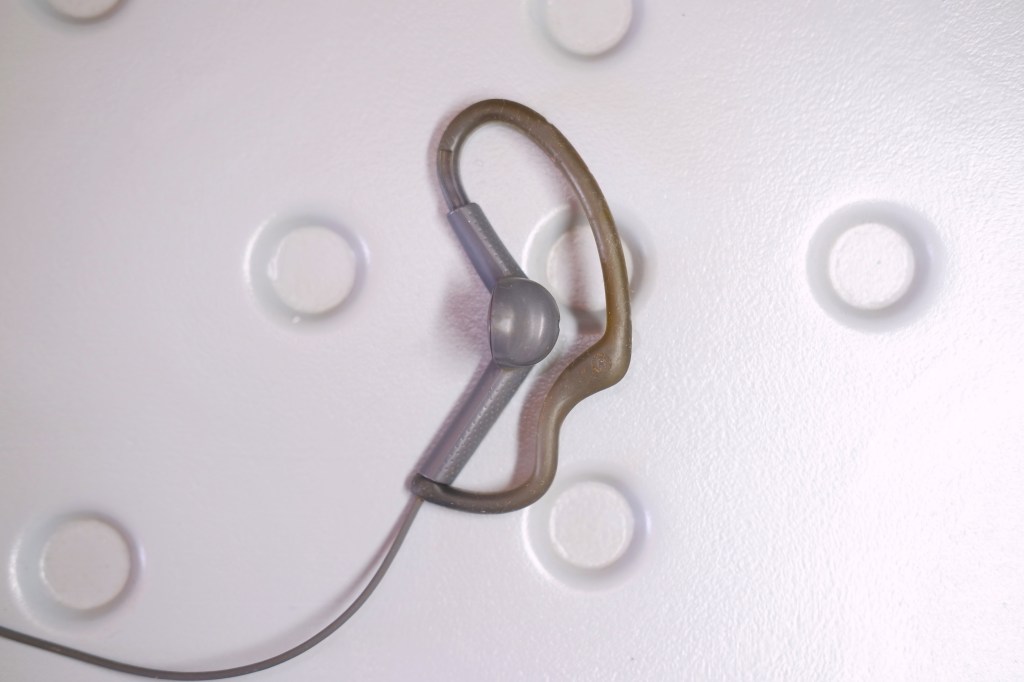
Wired Headphones
Waterproof: No
Ensuring a secure fit: No
Transparent hearing features: No ambient sound awareness
13-hour playtime: N/A
No Ear Canal Ventilation: Excessive sweat during long runs can indeed contribute to the accumulation of moisture in earbuds, creating an environment conducive to bacterial growth and potentially leading to ear infections. The warm and damp conditions inside the ear canal, combined with the presence of sweat, may increase the risk of microbial proliferation.
Tangling Wires: The presence of wires introduced challenges as they tended to tangle during runs. With each step, the feeling of the wire loosening up was persistent, creating an uncomfortable sensation. Additionally, the tangling often resulted in weird friction sounds while running.
Good for nothing for runners
Recommendations:
Bone conduction headphones emerge as clear winners, providing an excellent user experience with minimal maintenance requirements. Their water-resistant nature allows for running in the rain. Open ear headphones, featuring Bluetooth connectivity, offer a suitable alternative for minimalistic individuals. Conversely, neckband headphones are not recommended for running as they may not be a worthwhile investment. Buds, while not stable, pose the risk of falling out and becoming inaccessible in hard-to-reach places.
There is undoubtedly room for improvement, and precise design adjustments by product designers could address current limitations. As a runner, I remain hopeful to witness the evolution of more refined and purpose-built running headphones in the future. Anticipating advancements that will enhance the overall running experience.
A potential clue for product designers could be to explore a hybrid design that combines the comfort and stability of the Sony MDR-AS210 with the convenience of Bluetooth connectivity. This combination could prove to be a game-changer, offering users a comfortable and secure fit during physical activities while providing the wireless freedom afforded by Bluetooth technology. Such an innovative blend could address the needs of active, minimalistic users, making it a potential breakthrough in the market.
 CONSCIOUS RUNNING
Leave a comment