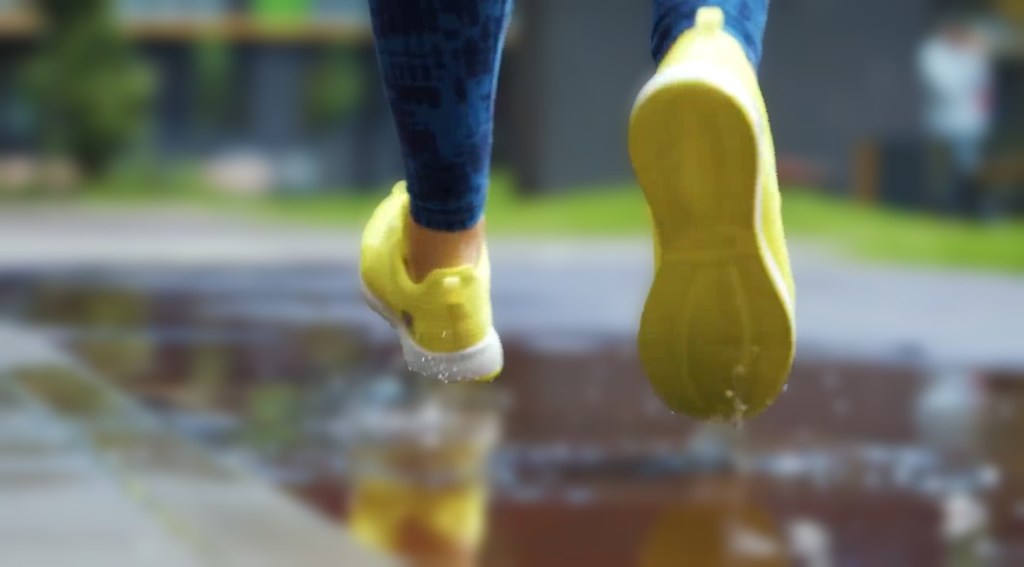
The significance of shoe acclimatization time cannot be overstated, especially for avid runners who invest in stylish, expensive, and renowned footwear for their inaugural marathons. This choice often leads them into the precarious dilemma of deciding whether to endure the discomfort or risk removing their shoes mid-run.
With over 5000 kilometers of running experience under my belt, I can confidently assert that the acclimatization period is imperative for breaking in a new pair of shoes. While the duration may vary from shoe to shoe, ideally, it spans 3-4 months. During this time, the shoes naturally warm up through consistent running, molding themselves to the unique curves and contours of your feet. The shoe shape undergoes a subtle distortion, enhancing usability and providing a more natural feel.
After this acclimatization period, a sense of unity between your feet and the shoes emerges. It’s akin to the harmony achieved between a MotoGP rider and their bike, working together in absolute synchronicity.
It’s no wonder elite runners opt for customizing their shoes to align with their foot shape and maximize comfort.
Neglecting the crucial process of shoe acclimatization can result in a cascade of issues, including overheating during long runs, painful foot blisters, unbearable discomfort, an inability to sustain a run, and the onset of ankle pain with a pinching sensation.

For those seeking relief, consider the following tips:
Remove your shoes and go barefoot for a while.
Pour cool water on the shoes to alleviate heat.
Loosen the laces to reduce pressure.
Apply common sense in assessing your comfort levels and adjusting accordingly.
Remember, investing time in acclimatizing your shoes pays dividends in the long run, ensuring a more enjoyable and injury-free running experience.
 CONSCIOUS RUNNING
Leave a comment